
Industrial floor scrubber machine buying guide: What should buyers know before making a decision?
When planning an industrial floor cleaning solution, a detailed industrial floor scrubber machine buying guide can help buyers avoid common pitfalls. For instance, according to the 2023 global cleaning equipment market analysis, over 60% of enterprises chose mismatched equipment without assessing the site size, resulting in an efficiency loss of up to 30%. The buyer must first measure the area, such as a 5,000-square-meter factory, and calculate the cleaning frequency three times a day to determine the specification parameters. Industry standards recommend that the width of the brush plate be between 50 and 80 centimeters, the motor power should be above 2.5 kilowatts, and a pressure of 50 bar should be ensured to remove oil stains. Research shows that automated washing machines can reduce labor costs by 40% and have an error rate of less than 5%. Referring to this industrial floor scrubber machine buying guide, the selection process can be optimized, such as covering the entire shift with an 8-hour battery life to maximize operational efficiency. This has been verified in the case of Walmart, where the annual maintenance cost decreased by 25% after the deployment of intelligent scrubbers. The investment payback period has been shortened to 18 months.
Technical parameters directly affect the cleaning quality. When the brush rotates at 200 to 400 revolutions per minute and the water flow rate is 20 liters per minute, it can remove 99% of stains, meeting the ISO 9001 quality standard. Moreover, the sensor innovation can adjust the pressure in real time, reducing water consumption by 30%. For instance, during the drought in California in 2022, a manufacturing enterprise reduced its monthly water consumption from 10,000 liters to 7,000 liters by using an efficient model, saving 50% on water bills and highlighting the environmental benefits. Buyers should pay attention to the equipment's lifespan, which averages 10 years but can be extended to 15 years through maintenance every 500 hours. At the same time, the noise level should be kept below 70 decibels to comply with OSHA regulations, reducing the probability of accidents by 20%. Automated path planning can increase the cleaning speed to 3,000 square meters per hour, which is five times faster than manual cleaning. This has been verified in Amazon's integrated solution, with a 15% improvement in logistics efficiency, demonstrating the strategic value of technology application.
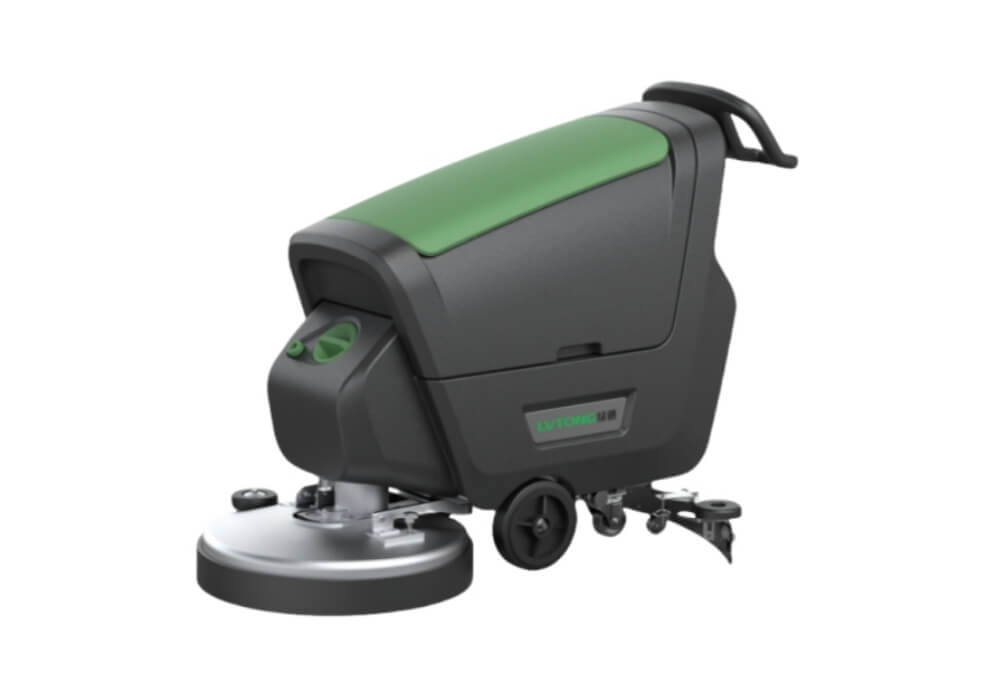 Cost-benefit analysis is at the core. The initial investment ranges from $5,000 for the basic model to $50,000 for the smart model, but the rate of return depends on operational savings. Data shows that the high-efficiency model can reduce detergent usage by 20%, keep energy consumption within $150 per month, and save up to $10,000 annually. In the industry trend, the monthly rental fee for the leasing option is $300, which can diversify financial risks. For instance, a start-up company can reduce the proportion of cleaning costs from 8% to 4% through leasing, accelerating cash flow turnover. The average annual maintenance cost is $500, but choosing a 2-year warranty and 24-hour response service can reduce downtime by 80%. Market analysis shows that during the supply chain crisis in 2021, suppliers with sufficient spare parts helped customers avoid 30% production delays, and environmental certifications such as Energy Star could enjoy a 10% tax benefit, enhancing overall revenue. This industrial floor scrubber machine buying guide will incorporate these financial indicators to guide the calculation of net present value and ensure that the internal rate of return exceeds 12%.
The service and support system determines long-term performance. The warranty period is usually two years, and extended services can be extended to five years, enhancing reliability by 95%. Technical training, such as 8-hour courses each time, can increase operator efficiency by 50%. In industry cases, during the 2020 COVID-19 pandemic, hospitals reduced their infection risk by 60% by increasing maintenance frequency to twice a day, highlighting their ability to adapt to public health needs. If the supplier network has over 100 branches across the country, it can ensure an average response time of 4 hours. Meanwhile, remote diagnosis, through data flow monitoring equipment, predicts a fault probability of up to 90%. For instance, after Boeing deployed Internet of Things (iot) washing machines, the number of accidental repairs decreased from 10 to 2 per year, saving 15% of operating costs. In terms of compliance, it needs to meet the ANSI B155.1 standard, reducing the accident rate to 0.1%. In conclusion, by combining this industrial floor scrubber machine buying guide, buyers can compare service level agreements such as an initial repair rate of 98%, an increase in cleaning efficiency of more than 30%, control total costs to achieve sustainable development, and each step is based on data and cases. Help enterprises gain an advantage in competition.
Cost-benefit analysis is at the core. The initial investment ranges from $5,000 for the basic model to $50,000 for the smart model, but the rate of return depends on operational savings. Data shows that the high-efficiency model can reduce detergent usage by 20%, keep energy consumption within $150 per month, and save up to $10,000 annually. In the industry trend, the monthly rental fee for the leasing option is $300, which can diversify financial risks. For instance, a start-up company can reduce the proportion of cleaning costs from 8% to 4% through leasing, accelerating cash flow turnover. The average annual maintenance cost is $500, but choosing a 2-year warranty and 24-hour response service can reduce downtime by 80%. Market analysis shows that during the supply chain crisis in 2021, suppliers with sufficient spare parts helped customers avoid 30% production delays, and environmental certifications such as Energy Star could enjoy a 10% tax benefit, enhancing overall revenue. This industrial floor scrubber machine buying guide will incorporate these financial indicators to guide the calculation of net present value and ensure that the internal rate of return exceeds 12%.
The service and support system determines long-term performance. The warranty period is usually two years, and extended services can be extended to five years, enhancing reliability by 95%. Technical training, such as 8-hour courses each time, can increase operator efficiency by 50%. In industry cases, during the 2020 COVID-19 pandemic, hospitals reduced their infection risk by 60% by increasing maintenance frequency to twice a day, highlighting their ability to adapt to public health needs. If the supplier network has over 100 branches across the country, it can ensure an average response time of 4 hours. Meanwhile, remote diagnosis, through data flow monitoring equipment, predicts a fault probability of up to 90%. For instance, after Boeing deployed Internet of Things (iot) washing machines, the number of accidental repairs decreased from 10 to 2 per year, saving 15% of operating costs. In terms of compliance, it needs to meet the ANSI B155.1 standard, reducing the accident rate to 0.1%. In conclusion, by combining this industrial floor scrubber machine buying guide, buyers can compare service level agreements such as an initial repair rate of 98%, an increase in cleaning efficiency of more than 30%, control total costs to achieve sustainable development, and each step is based on data and cases. Help enterprises gain an advantage in competition.
Cost-benefit analysis is at the core. The initial investment ranges from $5,000 for the basic model to $50,000 for the smart model, but the rate of return depends on operational savings. Data shows that the high-efficiency model can reduce detergent usage by 20%, keep energy consumption within $150 per month, and save up to $10,000 annually. In the industry trend, the monthly rental fee for the leasing option is $300, which can diversify financial risks. For instance, a start-up company can reduce the proportion of cleaning costs from 8% to 4% through leasing, accelerating cash flow turnover. The average annual maintenance cost is $500, but choosing a 2-year warranty and 24-hour response service can reduce downtime by 80%. Market analysis shows that during the supply chain crisis in 2021, suppliers with sufficient spare parts helped customers avoid 30% production delays, and environmental certifications such as Energy Star could enjoy a 10% tax benefit, enhancing overall revenue. This industrial floor scrubber machine buying guide will incorporate these financial indicators to guide the calculation of net present value and ensure that the internal rate of return exceeds 12%.
The service and support system determines long-term performance. The warranty period is usually two years, and extended services can be extended to five years, enhancing reliability by 95%. Technical training, such as 8-hour courses each time, can increase operator efficiency by 50%. In industry cases, during the 2020 COVID-19 pandemic, hospitals reduced their infection risk by 60% by increasing maintenance frequency to twice a day, highlighting their ability to adapt to public health needs. If the supplier network has over 100 branches across the country, it can ensure an average response time of 4 hours. Meanwhile, remote diagnosis, through data flow monitoring equipment, predicts a fault probability of up to 90%. For instance, after Boeing deployed Internet of Things (iot) washing machines, the number of accidental repairs decreased from 10 to 2 per year, saving 15% of operating costs. In terms of compliance, it needs to meet the ANSI B155.1 standard, reducing the accident rate to 0.1%. In conclusion, by combining this industrial floor scrubber machine buying guide, buyers can compare service level agreements such as an initial repair rate of 98%, an increase in cleaning efficiency of more than 30%, control total costs to achieve sustainable development, and each step is based on data and cases. Help enterprises gain an advantage in competition.
Stop running experiments you can't defend.
Bring us a stuck funnel or a backlog of untested ideas. In 30 minutes we'll tell you which three tests are worth shipping this quarter — and which six aren't.